| Title | stegosaurus-dinosaur-plated-herbivore-coloring-page |
|---|---|
| Category | Dinosaur |
| Image Size | 171.70 KB (832 × 1248 px) |
| File Format | PNG |
| Available Download | PNG PDF(A4-150 DPI) |
| More | |
| Share |
You can use this work for personal, learning, or editorial projects — just not for profit. It’s covered by a CC BY-NC 4.0 License , and credit is always appreciated
Related coloring pages


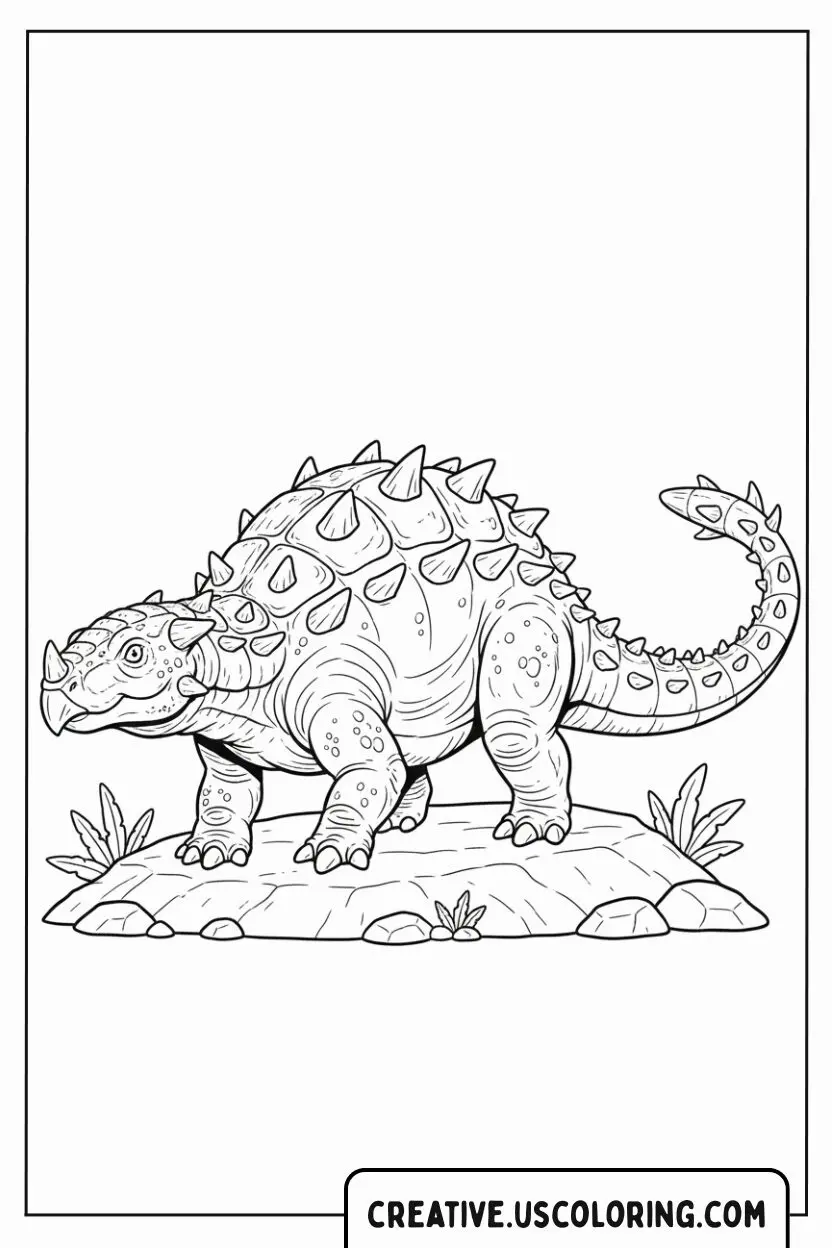
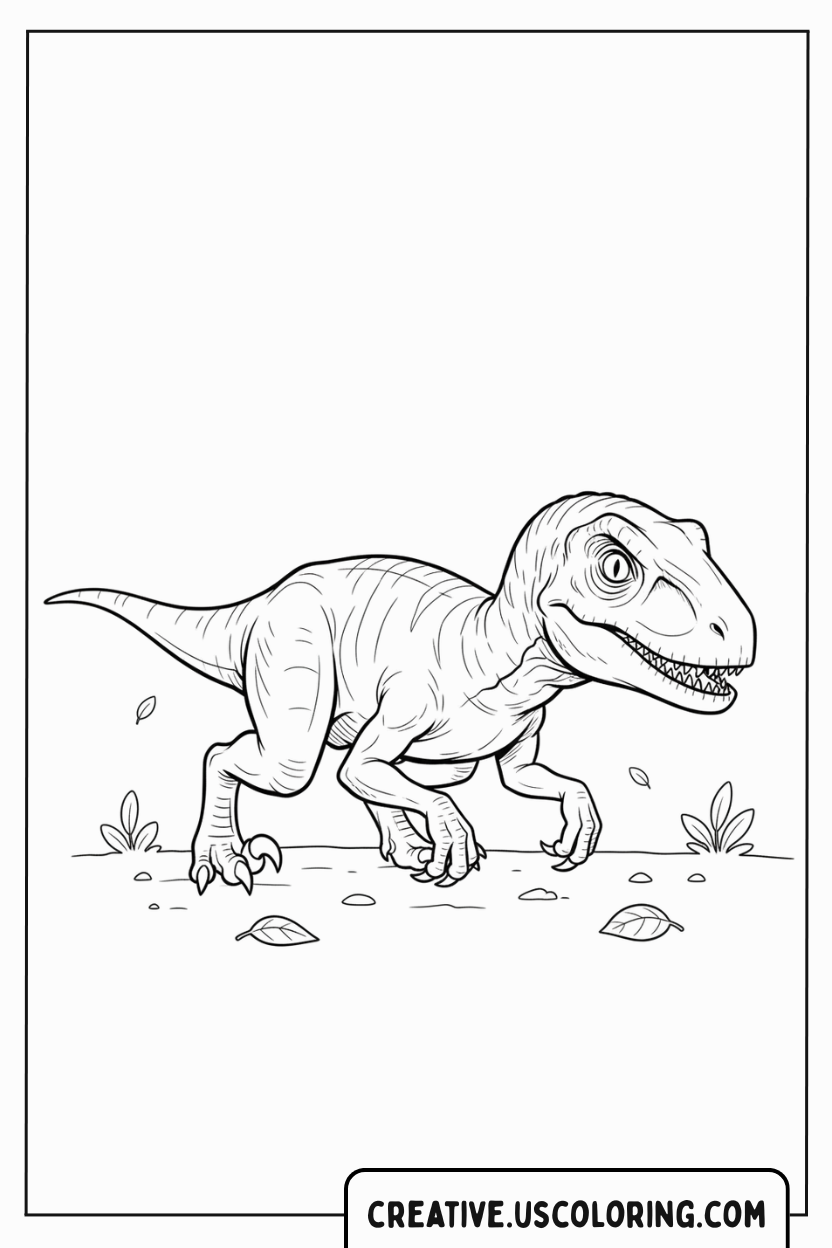
About this Stegosaurus Dinosaur Coloring Pages
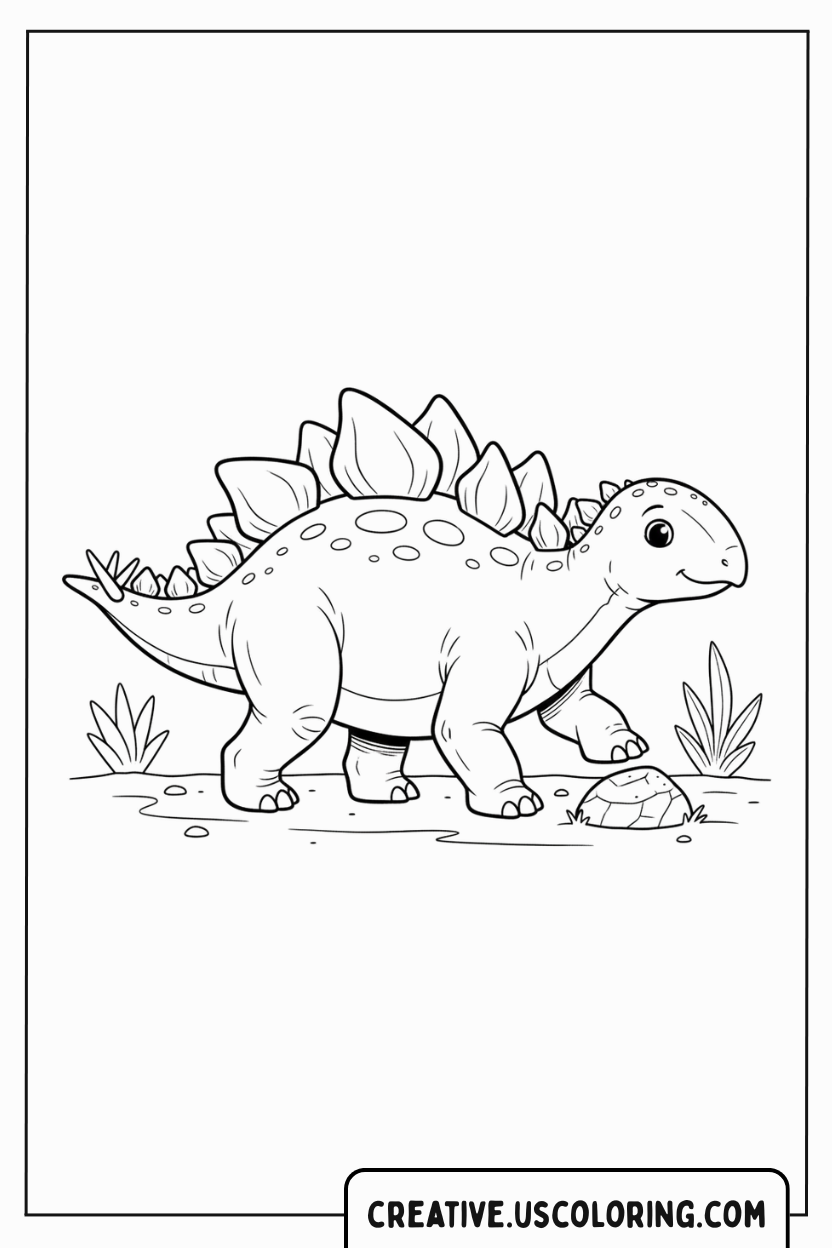
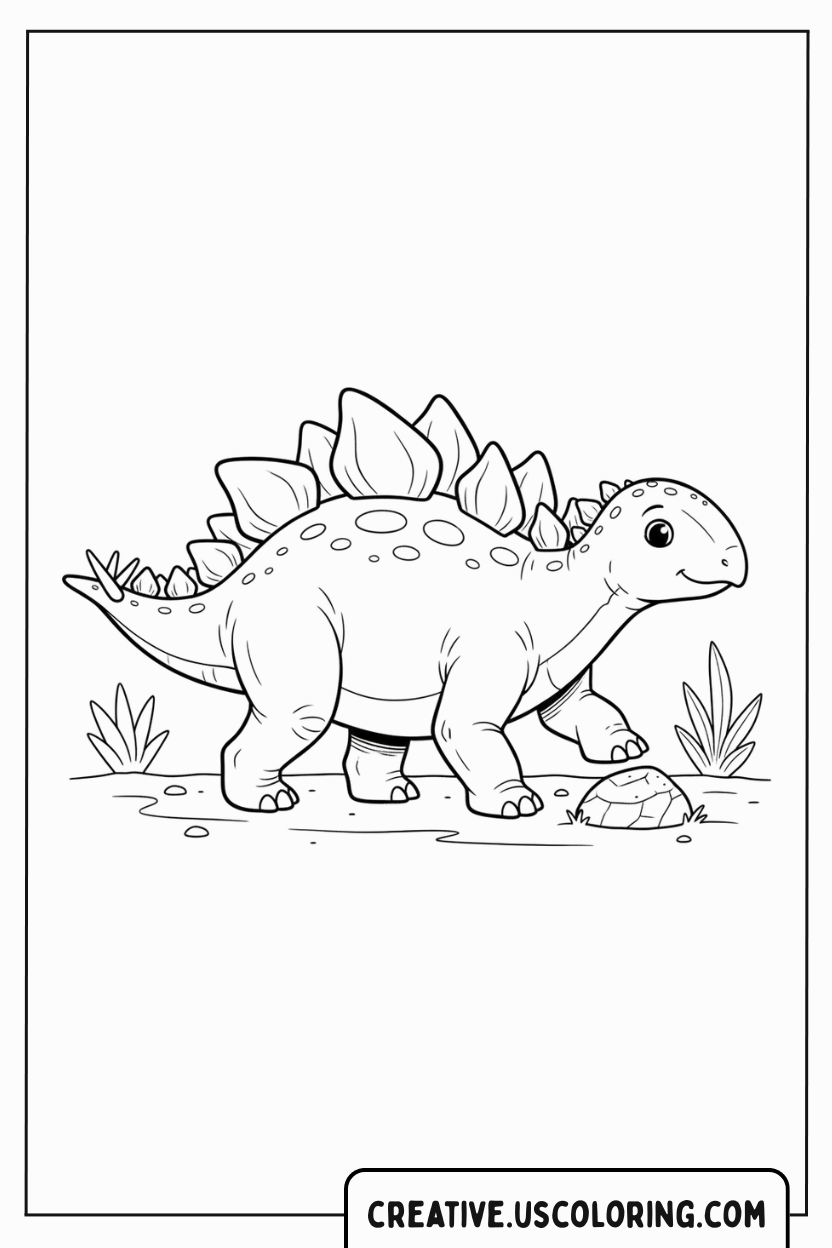
Imagine encountering this magnificent creature with its unique armor! This charming Stegosaurus Dinosaur Coloring Pages features the distinctive plated dinosaur walking peacefully across a prehistoric landscape. With its prominent upright plates along its back and sharp spikes on its tail, the Stegosaurus is one of the most recognizable and gentle giants of the Jurassic period. This image captures its sturdy, curious nature as it explores its world. It’s an open invitation to bring this plated wonder to life with creative, earthy colors!
Focusing on Ancient Armor and Patterns
Coloring this engaging, detailed scene is a wonderful way to find a moment of patient calm concentration. Focusing on the intricate details—the large diamond-shaped plates, the small patterned spots on its hide, the texture of the rocks, and the simple foliage—helps to sharpen attention span and provides a therapeutic, mindful break. This activity is excellent for promoting fine motor skills and encouraging creative color choices for the plates, which paleontologists believe may have been used to regulate body temperature. Working on this Stegosaurus Dinosaur Coloring Pages offers a relaxing escape that celebrates natural history and ancient armor.
Earth Tones and Contrasting Plates
To color this magnificent Stegosaurus, you’ll want to use strong, natural colors. Its main body can be colored in shades of muted green, earthy brown, or grey. The famous plates are a great place for contrast: color them in a different shade like red, orange, or yellow to suggest they might have been brightly colored for display. Use a slightly darker color for the small spots on its body to add texture. The simple foliage and ground should be colored in greens and browns to match the prehistoric environment.