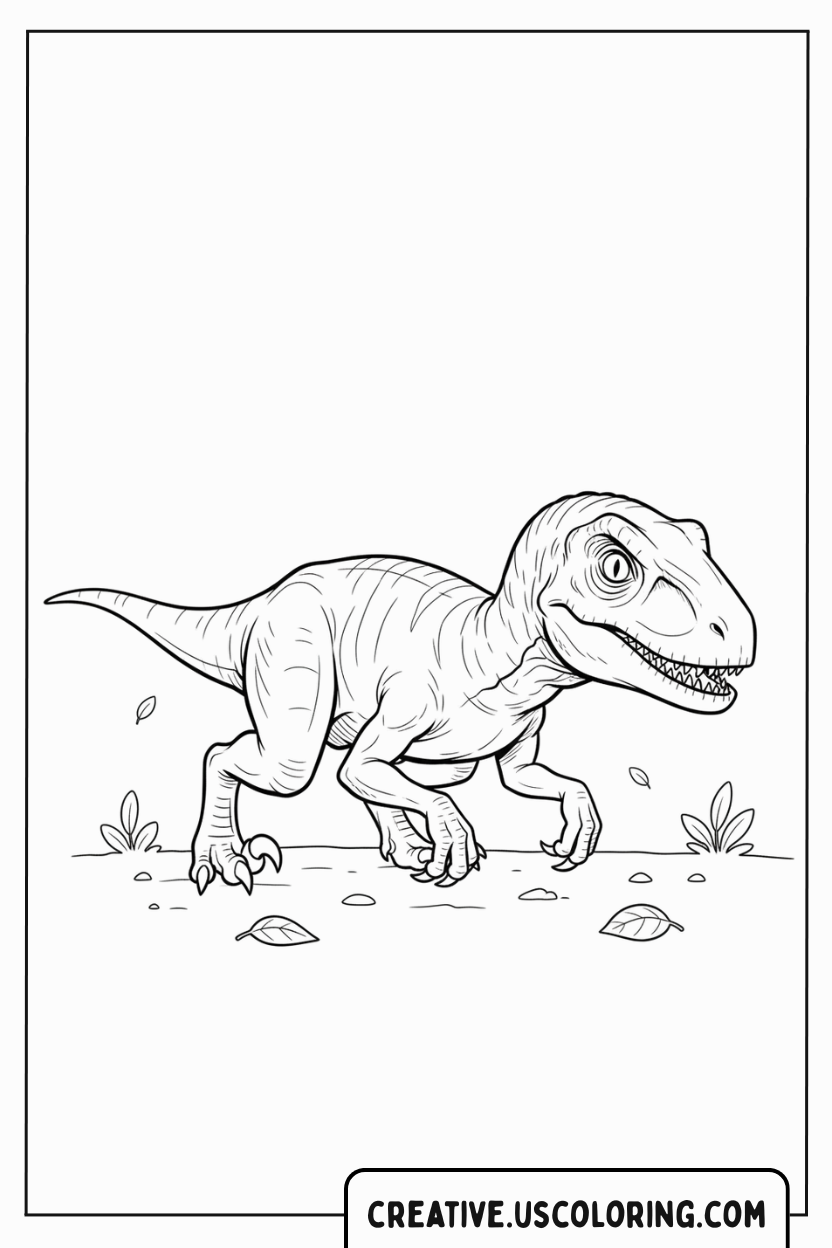
| Title | dinosaur-velociraptor-creeping-hunter-coloring-page |
|---|---|
| Category | Dinosaur |
| Image Size | 186.38 KB (832 × 1248 px) |
| File Format | PNG |
| Available Download | PNG PDF(A4-150 DPI) |
| More | |
| Share |
You can use this work for personal, learning, or editorial projects — just not for profit. It’s covered by a CC BY-NC 4.0 License , and credit is always appreciated
Related coloring pages



About this Dinosaur Coloring Pages Velociraptor
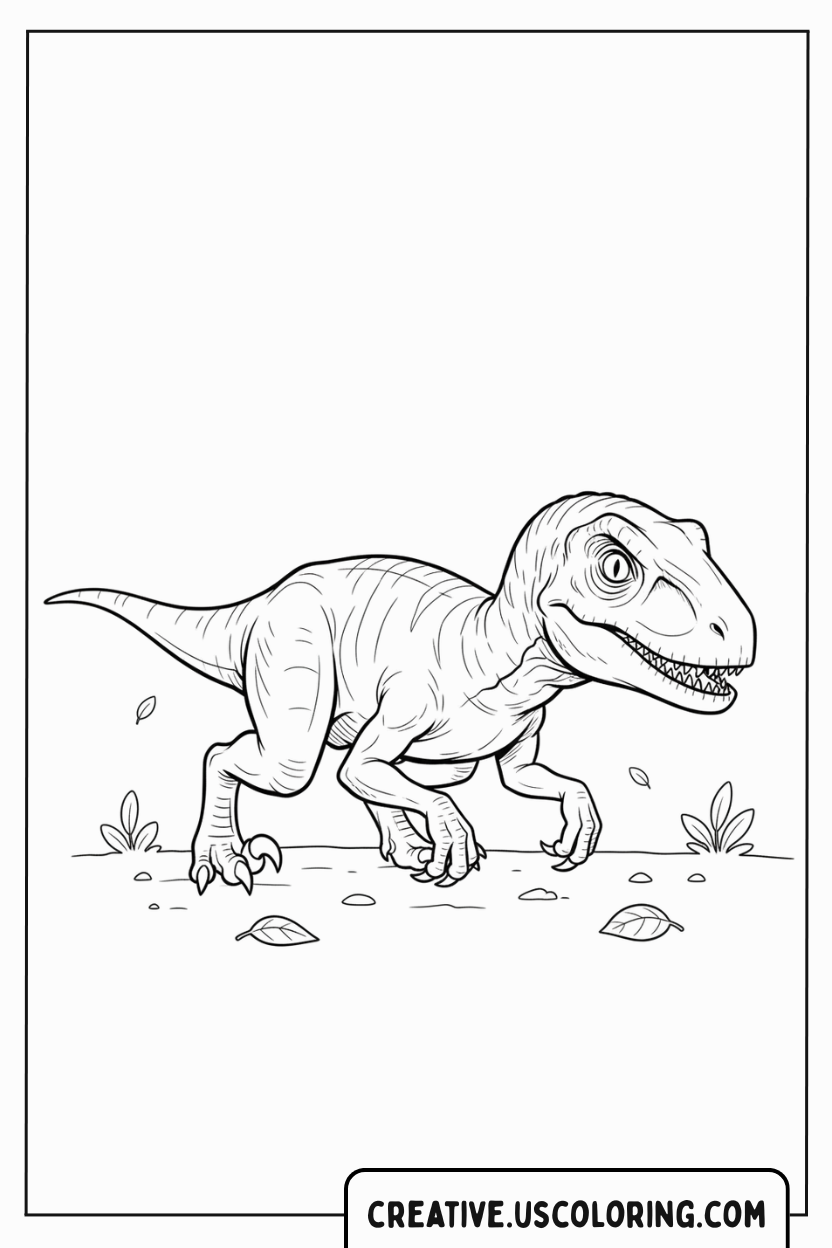
Imagine the flash of speed as this cunning hunter stalks its prey! This intense Dinosaur Coloring Pages Velociraptor features the highly intelligent and agile predator creeping low to the ground, with a sharp gaze and powerful musculature ready to spring into action. Its lean body and sharp claws embody the stealth and speed that made the Velociraptor one of the most exciting dinosaurs of the Cretaceous period. Surrounded by simple ground foliage, this image brings a sense of dynamic suspense and primal wilderness to the page. It’s an open invitation to fill this swift hunter with focused, realistic colors!
Focusing on Stealth and Predatory Detail
Coloring this highly detailed and suspenseful scene is a wonderful way to find a moment of sharp calm concentration. Focusing on the intricate details—the textured skin, the powerful legs, the intense eye, and the subtle lines suggesting muscle definition—helps to sharpen attention span and provides a therapeutic, mindful break. This activity is excellent for promoting fine motor skills and encouraging creative use of shading to emphasize its stealth and predatory gaze. Working on this Dinosaur Coloring Pages Velociraptor offers a relaxing escape that celebrates natural history and the thrill of the hunt.
Muted Scales and Camouflage Tones
To color this stealthy Velociraptor, you’ll want to use colors that emphasize camouflage and speed. Its body can be colored in muted shades like dusty tan, light brown, mottled grey, or soft khaki green. Consider adding subtle stripes or spots in a darker color to help it blend into the background, hinting at camouflage. The predator’s eye can be a piercing yellow or gold. The sparse ground and falling leaves should be colored in soft greens, browns, and autumnal tones to match the prehistoric plains environment.