| Title | ankylosaurus-dinosaur-armored-herbivore-coloring-page |
|---|---|
| Category | Dinosaur |
| Image Size | 101.98 KB (832 × 1248 px) |
| File Format | JPG |
| Available Download | JPG PDF(A4-150 DPI) |
| More | |
| Share |
You can use this work for personal, learning, or editorial projects — just not for profit. It’s covered by a CC BY-NC 4.0 License , and credit is always appreciated
Related coloring pages



About this Ankylosaurus Dinosaur Coloring Page
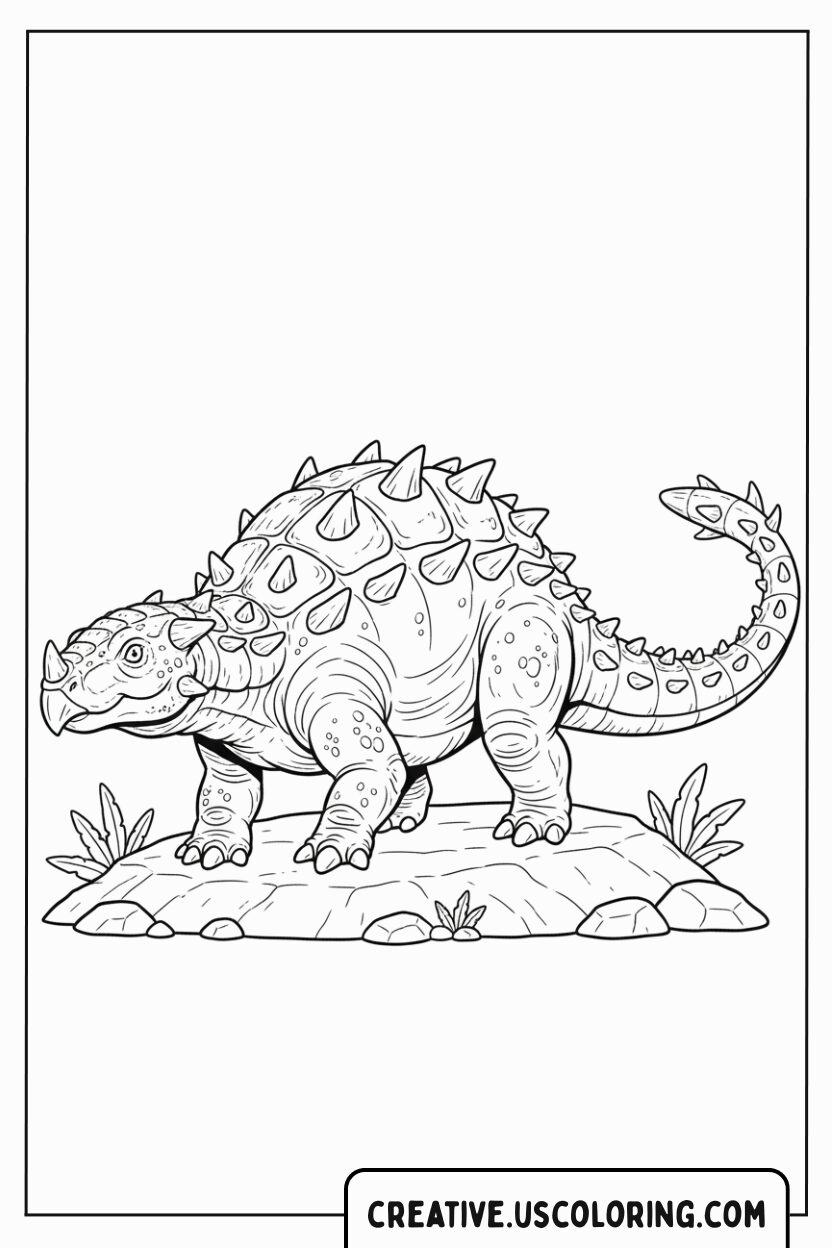
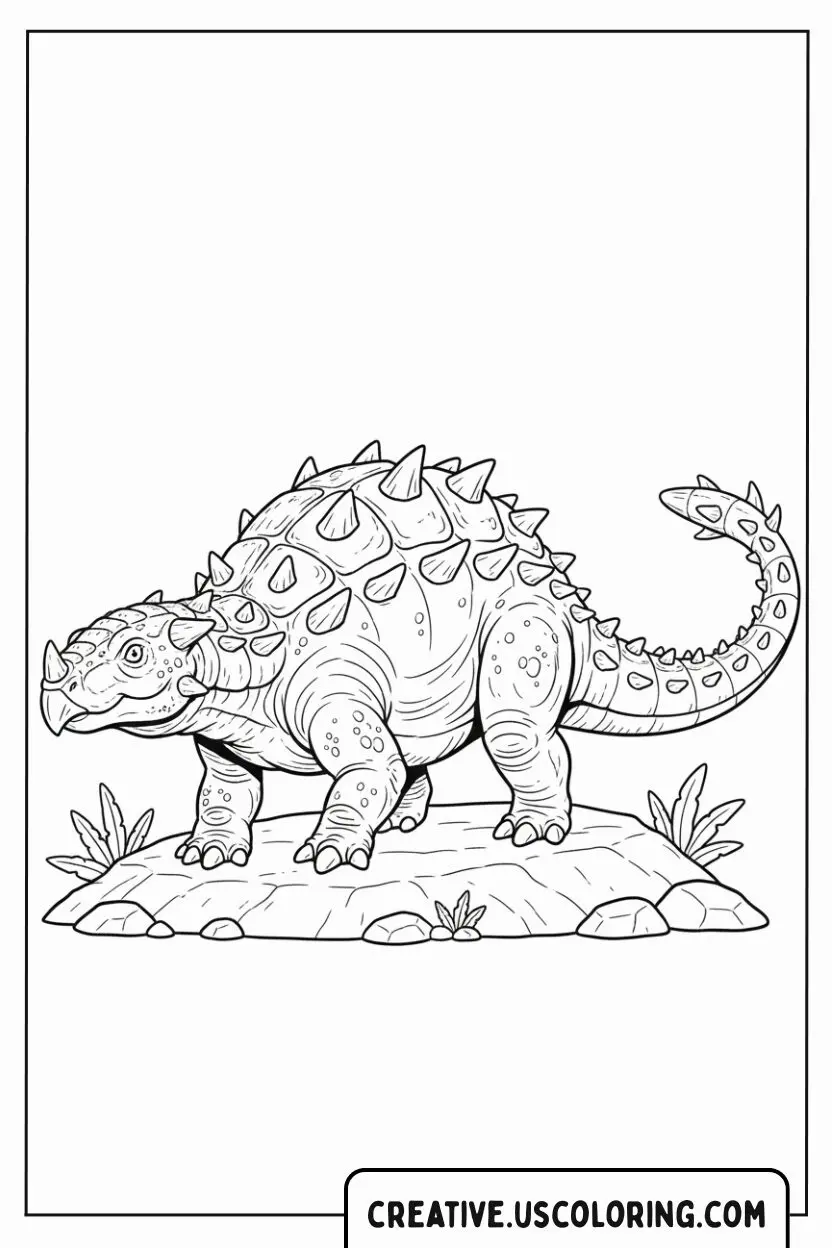
Imagine a living fortress walking the Earth! This detailed Ankylosaurus Dinosaur Coloring Page features the magnificent “fused lizard,” known for its powerful, armored body and signature tail club. Captured standing proudly on a rocky outcrop, every line emphasizes its thick, bumpy armor plates and sharp spikes. This Ankylosaurus is the definition of defensive strength, showcasing the incredible natural engineering of the dinosaur age. It’s an open invitation to bring this powerful, prehistoric tank to life with rugged, earthy colors!
Focusing on Armor and Defensive Detail
Coloring this highly detailed and fascinating scene is a wonderful way to find a moment of patient calm concentration. Focusing on the intricate anatomical details—the numerous scales, the large interlocking scutes (armor plates), the sharp spikes, and the rock texture—helps to sharpen attention span and provides a therapeutic, mindful break. This activity is excellent for promoting fine motor skills and encouraging creative use of shading to emphasize its rigid, three-dimensional armor. Working on this Ankylosaurus Dinosaur Coloring Page offers a relaxing escape that celebrates natural history and defensive design.
Rugged Earth Tones and Scale Contrast
To color this magnificent Ankylosaurus, you’ll want to use strong, muted colors befitting a walking tank. Its main body and armor plates can be colored in deep, rugged shades of slate grey, dusty brown, or dark olive green. Use slightly contrasting colors for the belly and between the plates for definition. The spikes and tail club can be a sharper grey or bone white. The rocky outcrop should be colored in various shades of grey and tan. The sparse foliage can be a muted green to complete this powerful, prehistoric scene.